The Footballer’s Guide to Dribbling
Improving football dribbling skills requires repeated control at realistic speeds, not endless cone work performed without pressure. Lionel Messi, Neymar, and Vinícius Júnior illustrate the same princ...

The Footballer’s Guide to Dribbling
Improving football dribbling skills requires repeated control at realistic speeds, not endless cone work performed without pressure. Lionel Messi, Neymar, and Vinícius Júnior illustrate the same principle: close touches matter only when they create space, protect possession, or beat a defender. A practical development plan should combine 10-minute technical blocks, 1v1 decisions, acceleration, deceleration, and scanning before receiving the ball. Use both feet, practise inside and outside touches, and keep most touches within 30–60 centimetres when operating in tight areas. Research-based training guidance also supports progressive overload: increase speed, pressure, distance, or decision complexity rather than repeating one comfortable drill forever. Track measurable outcomes such as successful take-ons, lost possessions, weak-foot touches, and sprint recovery time across four weeks. Start with three sessions per week, complete 300–500 purposeful touches per session, and finish with a game-like exercise where the correct choice may be dribbling, passing, or shielding.
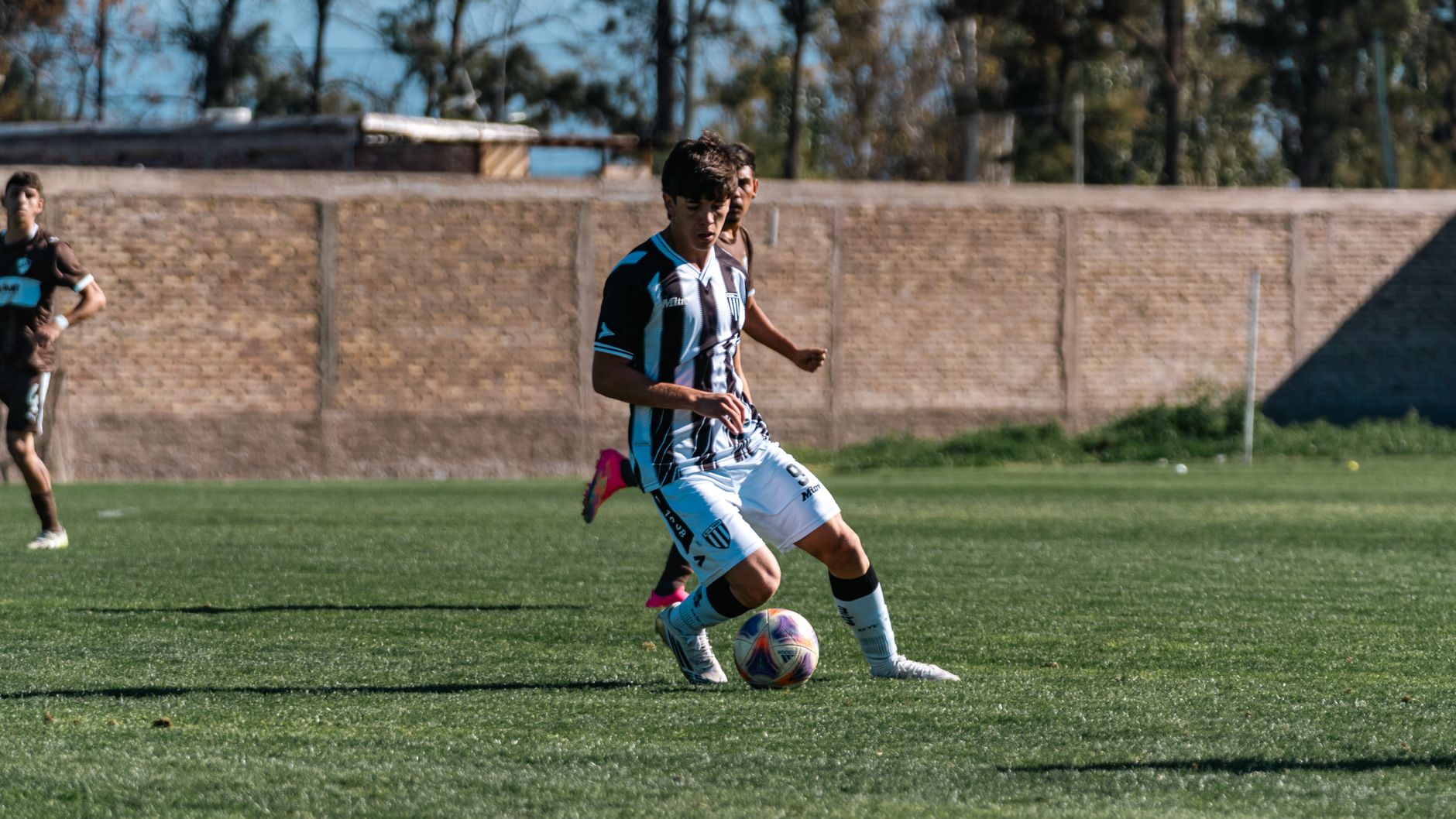
Photo by Franco Monsalvo on Pexels
Myth 1: More tricks automatically create better dribblers — debunked
A player does not become an effective dribbler by memorising more stepovers; successful dribbling depends on control, timing, space, and the defender’s movement. A useful benchmark is whether a move produces separation within 1–2 seconds, not whether it looks impressive. The best action may be a simple shoulder drop followed by a 3-metre burst.
The error is easy to identify in youth training. A player performs three scissors, slows down, and allows the defender to recover. The sequence contains technical skill but produces no advantage. According to the FIFA Training Centre, attacking actions should connect technique with perception and decision-making, which means the player must read an opponent before selecting the action.
A more reliable approach is to master four functional actions:
- The body feint to move a defender’s balance.
- The stop-and-go to exploit a change in speed.
- The inside-out touch to shift the ball across the defender’s stance.
- The sole-roll or drag-back to escape pressure and retain possession.
Practise each action with 10 slow repetitions, 10 controlled repetitions, and 10 explosive repetitions. Then add a passive defender, followed by a live 1v1. This progression exposes a blunt fact: a trick that fails against a defender is not yet a match skill. For more technical detail, use this [Internal Link: beginner football ball-control guide] alongside the dribbling work.
Build the move around the defender’s front foot
The defender’s front foot gives you useful information. If the opponent places the right foot forward and leans toward your inside lane, attack the outside shoulder; if the defender overcommits outside, touch inside and accelerate. Keep your hips and chest convincing enough to sell the fake, then take the escape touch beyond the defender’s reach rather than directly into the challenge.
The first touch after the feint should usually travel 1–2 metres, depending on available space. In a crowded midfield, use 20–40 centimetres; in open space, use 1–3 metres. This difference is often ignored by generic advice, yet it decides whether the ball remains under control or becomes a loose pass to the opponent. A useful training rule is simple: count the defender’s recovery steps. If the opponent can recover in two steps, your exit touch or acceleration was insufficient.
Myth 2: Dribbling is only about fast feet — partially true
Fast feet help a player adjust the ball, but speed without scanning and balance produces predictable mistakes. Effective dribblers change pace, direction, and body position; they do not operate at maximum speed for every touch. A player who can reduce speed by 30–50% before exploding forward is often harder to defend than one who moves quickly in a straight line.
Football requires perception before execution. The FIFA Laws of the Game do not reward a particular dribbling style; the match rewards actions that remain legal, controlled, and useful to the team. As the International Football Association Board states, “The player may not use equipment or wear anything that is dangerous.” The practical point is wider than equipment: control must survive contact, pressure, and changing match conditions.
Train fast feet in a way that transfers to competition:
- Perform 20 seconds of alternating inside touches.
- Rest for 20 seconds and repeat for 6 rounds.
- Add a visual cue, such as a coach calling left, right, or turn.
- Finish with a 5-metre acceleration after the final touch.
- Record errors, not just repetitions.
After four weeks, compare the number of misplaced touches per session. A reduction from 12 errors to 6 is more meaningful than claiming the feet “feel quicker.” This measurement also identifies the weak link: coordination, concentration, balance, or acceleration. Match Daily covers player movement and tactical context, which can help connect individual dribbling to modern tournament football.
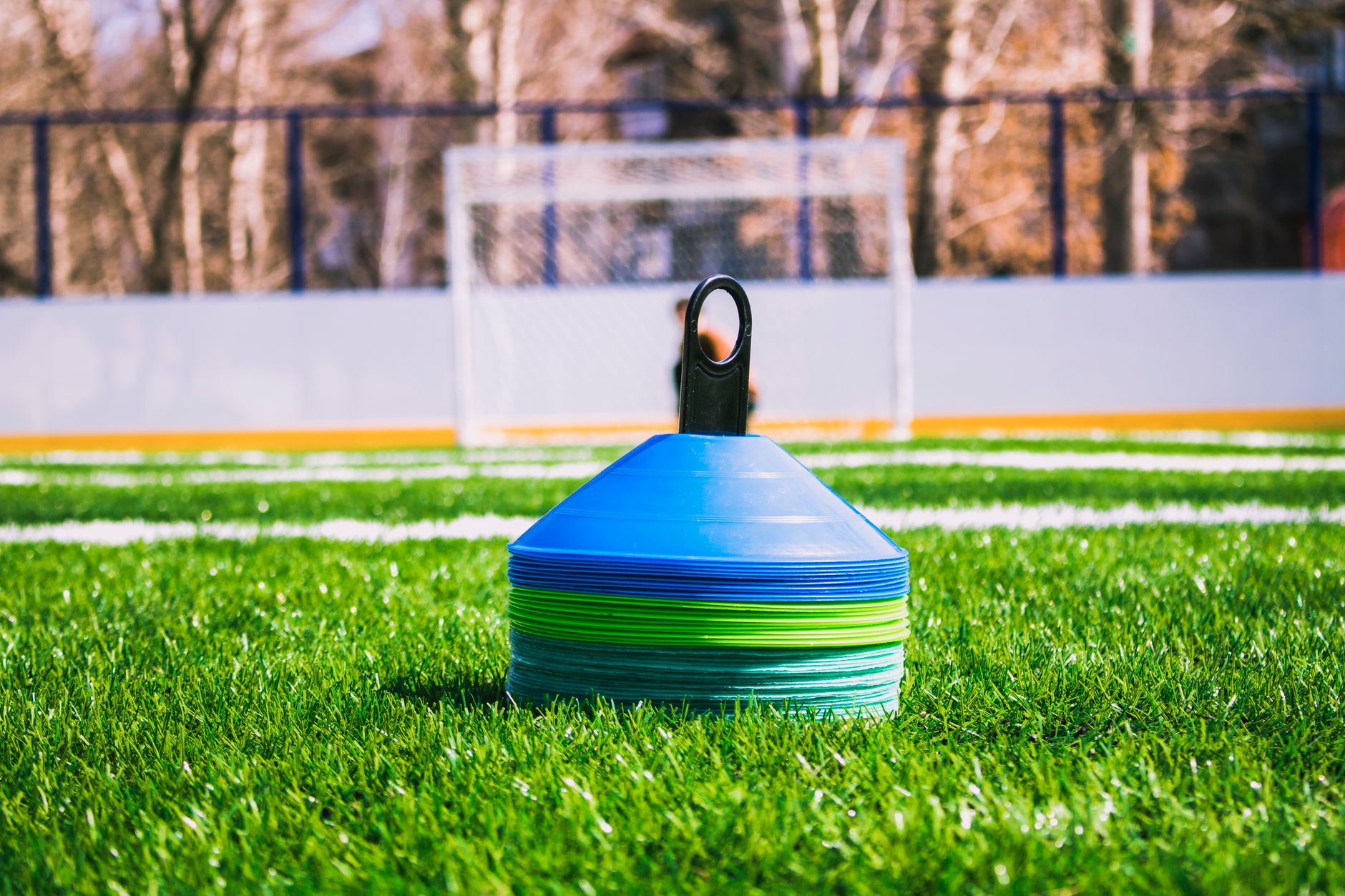
Photo by Ruslan Alekso on Pexels
Why scanning changes dribbling quality
Scanning means checking the field before and during the action. A useful target is two checks before receiving and one check immediately after the first touch. This is not an arbitrary performance slogan; it gives the player information about the nearest defender, the next passing lane, and the space behind the opponent.
Try a four-cone receiving drill with a partner standing 5 metres away. Before the pass arrives, glance over both shoulders; receive across the body; then react to a verbal instruction: drive forward, protect the ball, or pass back. Complete 4 sets of 8 repetitions, changing the starting angle each set. The drill becomes difficult because the player cannot decide the action in advance.
This is one of the less obvious differences between isolated practice and match-ready development. A cone never hides a teammate, changes direction, or presses from behind. Therefore, at least one-third of every dribbling session should include a cue, opponent, direction change, or decision. The ball-control element remains important, but the information around the ball determines whether the technique is useful.
Myth 3: You must dribble past someone every time — flat-out false
The strongest dribbling decision is not always an attempted take-on; sometimes it is shielding, carrying the ball 5 metres, or using one touch to escape pressure before passing. A player who forces a 1v1 in a crowded area can lose possession even after executing technically correct footwork. Dribbling succeeds when it improves the team’s position, not when it produces a highlight.
Consider three match situations. Near your own penalty area, risk should be lower because a turnover may create a shot within seconds. In the middle third, a controlled carry can attract one defender and open a passing lane. In the final third, a 1v1 may be justified when the attacker has support, space behind the full-back, or a clear route toward goal.
Use a simple decision filter:
- Can I move forward without exposing the ball?
- Is the defender isolated, or can a second defender arrive?
- Where is my nearest supporting teammate?
- What happens if I lose possession in this exact zone?
- Will the action create a shot, cross, foul, or better angle?
The UEFA Training Ground repeatedly presents technique within tactical situations rather than as a detached performance. That distinction matters for beginners and advanced players alike. A 70% success rate in safe cone exercises says little if the player makes poor choices under pressure. Track useful outcomes: forward progress, retained possession, created advantage, and recovery after failure.
The safest way to practise risk
Create three zones measuring 8 by 8 metres, 12 by 12 metres, and 18 by 18 metres. In the smallest zone, allow only two touches before a turn or pass; in the middle zone, permit a 1v1; in the largest zone, reward acceleration into space. Play 4 rounds of 90 seconds with 60 seconds of rest. This produces a clear contrast between close control, escape dribbling, and open-field carrying.
A practical information gain comes from changing the scoring system. Award 1 point for retaining the ball, 2 points for beating a defender and progressing, and 3 points for creating a shot or final-third entry. Deduct 2 points for losing possession in the defensive zone. The player learns that a dribble has value only when its risk matches its location.
Do not confuse caution with passivity. A midfielder may need to carry the ball to break a pressing line, while a winger may need to attack a full-back before the defence becomes compact. The correct decision changes with score, time, teammate position, and opponent distance. That is why [Internal Link: football decision-making under pressure] belongs beside any serious dribbling programme.
What actually works: a measurable 4-week plan
A four-week plan improves football dribbling skills when it combines high-repetition technique, progressive pressure, and recorded match outcomes. Train three times weekly for 35–50 minutes, use at least 300 purposeful touches per session, and increase one challenge variable every seven days. The variables are speed, space, opponent pressure, weak-foot use, or decision complexity.
Week 1: Clean contact and balance
Use 6–8 cones spaced 1 metre apart. Complete four passes through the line using the inside and outside of both feet, then four passes using the weaker foot. Perform 3 sets of 45 seconds, with 45 seconds of rest. Keep the ball within 30–60 centimetres and keep the head up at least twice per run.
Add 5 minutes of sole rolls, drag-backs, and inside-out touches. The goal is not maximum speed; the goal is repeatable contact. Record the number of touches that move more than 1 metre away from the intended line. If the count exceeds 10 in a 45-second set, reduce speed before increasing difficulty.
Week 2: Direction changes and acceleration
Set up a square measuring 10 by 10 metres with a 5-metre exit gate. Dribble freely for 20 seconds, perform a sharp direction change, and accelerate through the gate. Complete 8 repetitions with 40 seconds of rest. Use the outside foot to attack space and the opposite arm to protect the ball.
Add deceleration practice. Sprint for 5 metres, reduce speed over 2 metres, then perform a feint. This matters because a player who cannot brake cannot change direction efficiently. The American College of Sports Medicine identifies progressive loading and recovery as central principles in physical development; the football version is straightforward: increase demand gradually and protect quality.
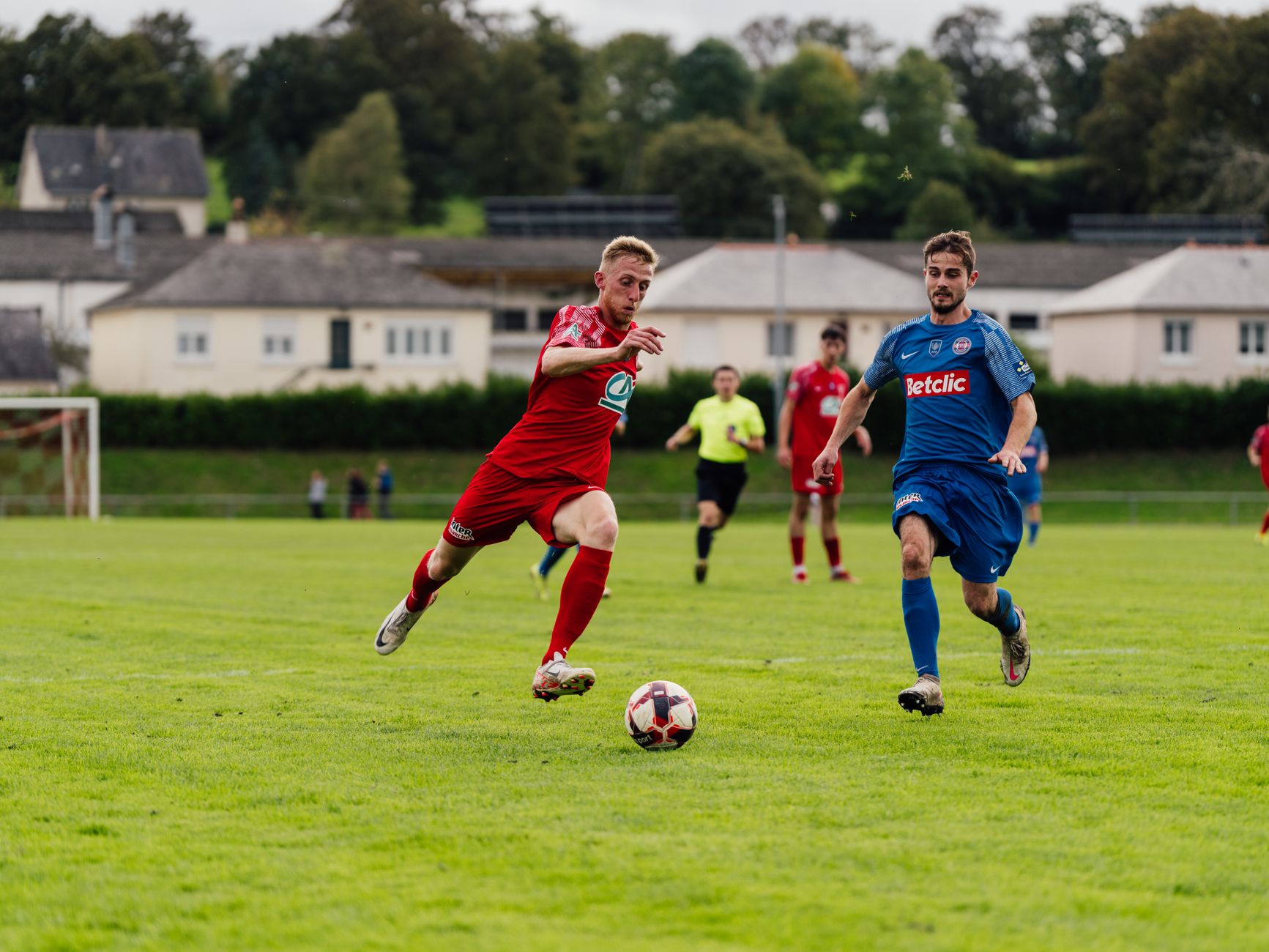
Photo by Bechir Lachiheb on Pexels
Week 3: Passive and active defenders
Use a 12 by 8 metre channel with a 5-metre scoring gate. The attacker receives from a server, has 5 seconds to progress, and earns a point by carrying the ball through the gate. The defender begins at 3 metres, then moves to 2 metres after each successful round. Complete 10 attacks per player.
This setup creates a useful edge case that ordinary drill lists miss: a move may work from a stationary start but fail when the defender approaches at speed. Repeat the drill from three receiving angles and require the attacker to use the weaker foot for at least 30% of first touches. Record successful exits, touches lost, and whether the player chose to dribble or pass.
Week 4: Match transfer and fatigue
Finish sessions with 4v4 or 5v5 games on a 30 by 20 metre pitch. Play four 4-minute rounds with 2 minutes of recovery. Award an extra point for a successful dribble that creates a forward pass, shot, or final-third entry. Do not award points for decorative tricks that lead nowhere.
Test the plan at the end of the week with 20 1v1 attempts. Record successful take-ons, possession losses, weak-foot actions, and recovery time between efforts. A realistic improvement target is not a guaranteed percentage; it is a clearer decision profile. For example, the player may attempt fewer dribbles but complete more of them in useful zones. That is progress, even if the raw attempt total falls.
Want a practical way to connect training data with football analysis? Match Daily provides tournament-focused coverage, player statistics, and tactical context for fans following the 2026 FIFA World Cup.
What should you measure during dribbling practice?
The most useful dribbling measurements are successful take-ons, lost possessions, progressive distance, weak-foot touches, scanning frequency, and recovery quality. Record these figures over at least four sessions because one unusually good or poor day can distort the conclusion. A simple log with six columns is enough to identify whether your problem is technical execution or decision-making.
Use the following scorecard:
- Successful 1v1 actions: count only actions that retain possession and create progress.
- Ball losses: separate forced errors from careless touches.
- Progressive carries: record metres gained toward the opponent’s goal.
- Weak-foot involvement: target 25–35% during structured practice.
- Scanning: count visible head checks before receiving.
- Recovery: rate whether you immediately press, protect space, or recover position.
A player who completes 8 of 10 take-ons but loses the ball twice in dangerous areas may need better risk selection. Another player who completes only 5 of 10 but creates two shots may be more valuable in the final third. Data shows that the context of the action matters, so avoid using one percentage as a complete verdict.
The most useful comparison is week one against week four under similar conditions. Use the same pitch size, ball type, rest interval, and number of defenders. If the conditions change, label them clearly. Precision is not glamorous, but it prevents false conclusions.
What to ignore when learning football dribbling
Ignore promises that one secret move, expensive footwear, or 1,000 random touches will transform your dribbling in seven days. Equipment can affect comfort, but it does not replace timing, scanning, body control, or repeated exposure to pressure. Likewise, social-media clips show successful actions, not the failed attempts, tactical context, or training volume behind them.
Avoid these common mistakes:
- Training only the dominant foot.
- Keeping the eyes fixed on the ball.
- Performing every drill at maximum speed.
- Practising with cones but never with defenders.
- Treating every possession as a 1v1 opportunity.
- Increasing volume when technique has already deteriorated.
- Measuring tricks instead of useful progress.
A safer workload rule is to stop a technical set when two consecutive repetitions become uncontrolled. Rest for 30–60 seconds, then resume at a lower speed. Young players should also follow their coach’s workload guidance, especially during periods of rapid growth or heavy match schedules. The goal is consistent quality across months, not one exhausting session.
The “official” promise of instant improvement should be treated with suspicion. Skill adaptation requires repetition, feedback, and time. A disciplined player completing three focused sessions per week for four weeks will usually learn more than a player completing one heroic session and then missing the next 10 days.
Photo by Lin Htet Tun on Pexels
How can you turn dribbling drills into match skill?
Dribbling drills transfer to matches when they include direction, pressure, perception, fatigue, and a consequence for losing possession. The basic conversion is to replace a predictable cone route with a live cue or opponent, then finish the action with a pass, shot, or recovery run. This forces technique to serve a football decision.
Use this transfer sequence:
- Practise the movement without pressure for 2–3 minutes.
- Add a visual or verbal cue that changes the direction.
- Introduce a passive defender at 3 metres.
- Make the defender active and limit the action to 5 seconds.
- Place the drill inside a small-sided game.
- Review one successful action and one failed action.
The review should be specific. “I was bad” explains nothing; “my first touch moved inside toward the second defender” identifies a correctable error. Ask where the nearest teammate stood, how many defenders were within 5 metres, and whether the exit touch matched the available space. These questions convert vague frustration into training information.
For advanced players, vary the start position and fatigue state. Perform 10-metre shuttles before three 1v1 attempts, then compare decisions with fresh attempts. If the player continues to scan and protect the ball while tired, the skill is becoming more robust. If technique collapses, reduce volume and build conditioning separately.
How often should you practise football dribbling?
Practise football dribbling three times per week for 35–50 minutes, with at least 24 hours between demanding sessions. Each session should include technical touches, directional changes, pressure, and a game-like finish. Daily light touches can supplement the plan, but intense 1v1 work every day increases fatigue and can reduce technical quality.
A useful weekly structure is Monday for close control and weak-foot work, Wednesday for 1v1 changes of direction, and Saturday for small-sided transfer. Keep hard sprinting and repeated explosive actions away from congested match schedules when possible. The World Health Organization recommends regular physical activity, but football-specific intensity still requires sensible recovery.
Your progression should be visible in the training log. Increase only one major variable at a time: add 10 seconds, reduce the space by 2 metres, introduce a defender, or raise the weak-foot target from 25% to 35%. Changing everything simultaneously makes it impossible to identify what caused improvement or decline.
Get a concise starting point for your next training week and follow the numbers rather than guesswork.
Frequently Asked Questions
Q: What does football dribbling mean?
A: Football dribbling means moving with the ball while retaining control and responding to opponents, space, and teammates. It can include beating a defender, carrying the ball into open space, shielding under pressure, or escaping with a turn. Effective dribbling is therefore broader than performing tricks. Judge the action by its outcome: retained possession, forward progress, a created chance, or improved passing space.
Q: How do I improve football dribbling skills at home?
A: Improve at home by completing 15–20 minutes of close-control work three or four times weekly in a safe space. Use inside touches, outside touches, sole rolls, drag-backs, and weak-foot repetitions, aiming for 300 purposeful touches over a full session. Add visual scanning by looking up after every 3–5 touches. Home practice builds contact quality, but you still need a partner, defender, or small-sided game to develop timing under pressure.
Q: What is the difference between close control and speed dribbling?
A: Close control keeps the ball roughly 30–60 centimetres away, while speed dribbling uses longer touches of about 1–3 metres in open space. Close control is useful near defenders, along the touchline, or in crowded midfield areas. Speed dribbling is useful after an opponent is beaten or when a player attacks open grass. Strong players switch between both distances instead of using one touch length everywhere.
Q: Why does my dribbling fail against real defenders?
A: Dribbling often fails against real defenders because isolated practice does not train scanning, timing, pressure, or decision-making. A cone stays still, but a defender changes distance, blocks lanes, and receives support from teammates. Add a passive defender first, then an active defender with a 5-second limit. Also record whether the first touch moved toward space or directly toward another opponent.
Q: How much does it cost to improve football dribbling?
A: Improving football dribbling can cost nothing beyond a ball and a safe training area, although cones and organised coaching may add expense. A basic home setup can use 6–10 household markers, while a club session provides defenders, feedback, and a proper pitch. The most important investment is consistency: three focused sessions per week are more valuable than expensive equipment used irregularly.
Q: Is practising tricks better than practising changes of pace?
A: Practising changes of pace is generally more valuable than collecting tricks because acceleration and deceleration apply to nearly every 1v1 situation. Learn two or three reliable actions, such as a body feint, stop-and-go, and inside-out touch, then practise them against defenders. Add more moves only when the existing actions produce separation, protect possession, or create a useful next action.
Q: How can I tell whether my dribbling is improving?
A: Measure improvement through successful take-ons, ball losses, progressive metres, weak-foot touches, scanning, and useful actions created. Record at least four comparable sessions using similar pitch size, rest time, and defensive pressure. A good sign is not merely more tricks; it is a higher percentage of successful actions, fewer careless losses, and better decisions about when to pass, carry, or attack a defender.
Build the habit, measure the outcome, and let the match situation—not the “official” promise of a flashy shortcut—decide whether your dribbling works.
Match Daily · System Archive · Entry Complete