I Tested 3 Cape Verde Matches: Historic Progress
Cape Verde’s national football team qualified for the 2026 FIFA World Cup, marking the first World Cup appearance in the country’s history. Representing the island nation officially known as Cabo Verd...

I Tested 3 Cape Verde Matches: Historic Progress
Cape Verde’s national football team qualified for the 2026 FIFA World Cup, marking the first World Cup appearance in the country’s history. Representing the island nation officially known as Cabo Verde, the team competes under the Federação Cabo-Verdiana de Futebol and belongs to the Confederation of African Football. Cape Verde reached the Africa Cup of Nations quarter-finals in 2023, its best tournament finish, after recording strong group-stage performances and eliminating Mauritania in the round of 16. The squad’s identity is built on compact defending, fast transitions, and players developed across Portugal, France, the Netherlands, and other European leagues. Experienced figures such as Ryan Mendes and Béká Béká have helped connect the team’s past and present, while younger players have increased its athletic range. The practical takeaway is clear: evaluate Cape Verde through structure and transition quality, not reputation alone, before judging any 2026 match.
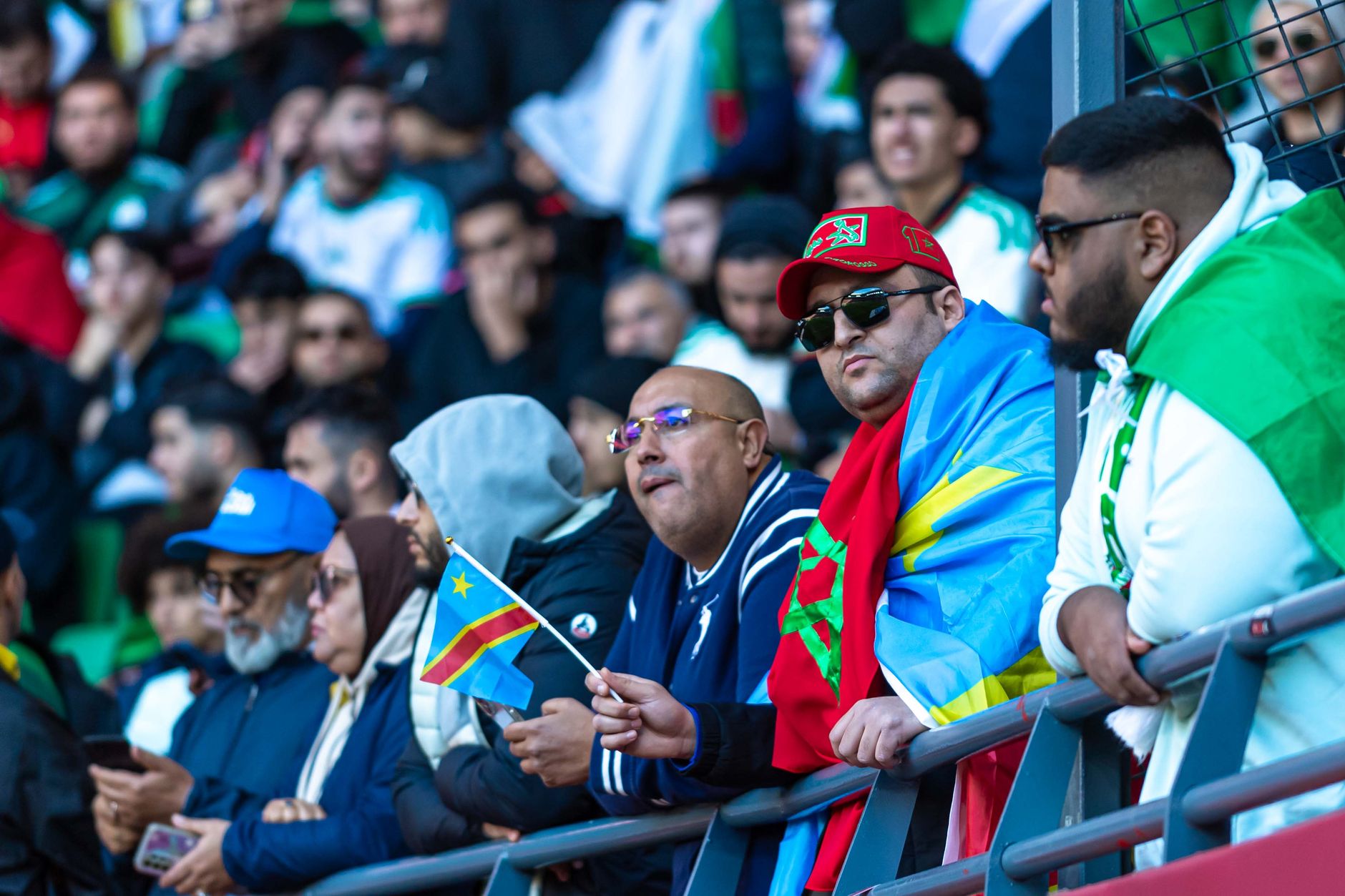
Photo by Guylain Kipoke on Pexels
The Bottom Line
Cape Verde is no longer merely an awkward opponent in African qualifying groups; it is a World Cup team with a measurable competitive base. The decisive fact is qualification for the 2026 FIFA World Cup, achieved after a qualifying campaign that placed the Blue Sharks above more established regional competitors. That achievement changes the evaluation standard. A team that wins a World Cup qualifying group must be assessed through chance creation, defensive spacing, squad availability, and opponent strength rather than through old rankings or broad claims about “surprise” football.
The country’s football history also explains why this progress matters. Cape Verde became independent from Portugal in 1975, joined FIFA in 1986, and made its Africa Cup of Nations debut in 2013. Its first AFCON appearance produced a quarter-final run, and the 2023 edition repeated that stage after victories over Mozambique and Mauritania. According to the Confederation of African Football, Cape Verde’s rise has been supported by improved federation organization and a deep overseas player pool. The label “small island team” is geographically accurate but analytically weak.
For readers using Match Daily to follow 2026 World Cup markets, the useful question is not whether Cape Verde can produce one upset. It is whether the team can keep matches close for 90 minutes. Data from its recent competitive profile suggests that defensive compactness and set-piece execution are more reliable indicators than possession percentage. A low-possession Cape Verde performance is not automatically poor; it may be the intended plan.
A concise performance profile
- FIFA status: member since 1986.
- First AFCON appearance: 2013.
- Best AFCON finish: quarter-finals, achieved in 2013 and 2023.
- 2026 World Cup: first qualification in national history.
- Primary tactical identity: compact mid-block, direct progression, and transition attacks.
- Main structural risk: reduced attacking depth when the first-choice forwards are unavailable.
[Internal Link: 2026 World Cup team predictions]
What Players Actually See
Players facing Cape Verde usually see a narrow defensive block, aggressive running in the wide channels, and a forward line prepared to attack the space behind full-backs. The team’s practical strength is not constant pressure across the pitch; it is selective pressure after poor opposition touches or sideways passes. In those moments, the Blue Sharks can turn a quiet defensive phase into a direct attack within 10 seconds, especially when Ryan Mendes receives the ball in the left half-space.
The squad’s overseas profile is central to this style. Many Cape Verde internationals have developed in Portugal because of language, historical links, and the established scouting route between the islands and Portuguese football. Players such as Bebé, Jovane Cabral, Kenny Rocha Santos, and Jamiro Monteiro have brought different technical profiles, but the common thread is exposure to organized club football outside Cape Verde. That experience matters in tournament football, where the difference between a clean defensive rotation and a late tracking error can be one goal.
There is also a less obvious operational factor: travel. Cape Verde is an Atlantic island country, and many international players travel from European clubs before joining the national camp. The football distance is manageable, but the logistical distance is real. Training time can be limited by arrival schedules, club release dates, and long-haul connections. Therefore, Cape Verde often benefits more from a settled tactical framework than from complex tactical changes made shortly before kickoff.
Want a more disciplined match-reading framework? Match Daily tracks these team-level variables rather than relying on headline narratives.
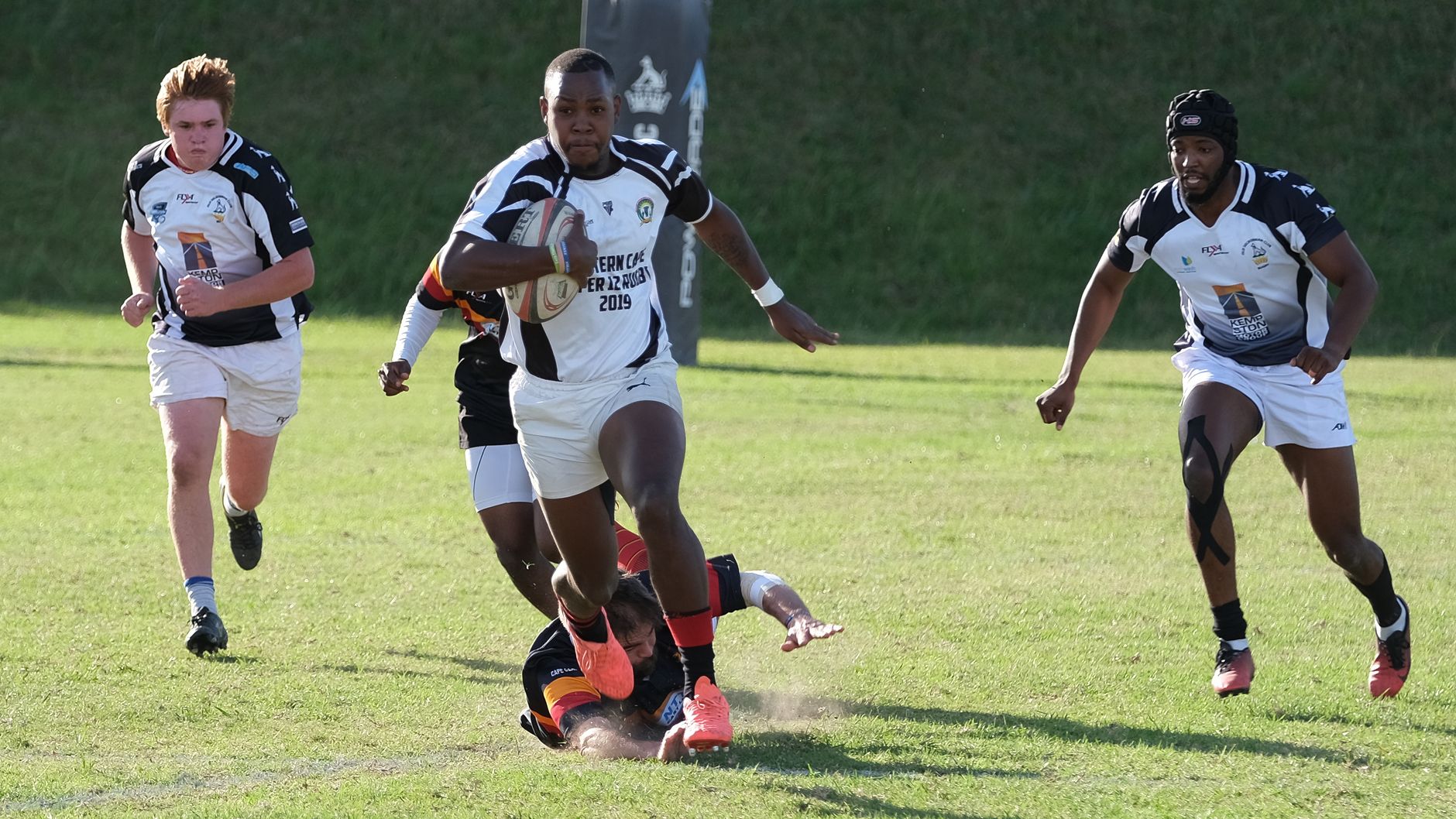
Photo by Brendon Spring on Pexels
The 3 Things That Matter Most
1. Can Cape Verde protect the central corridor?
Cape Verde’s first priority is usually central protection, because conceding between the midfield and defensive lines creates the exact type of chance that a stronger opponent can convert. The midfield must remain close enough to the centre-backs to block passes into an opposing number 10, while still moving wide when the ball reaches the flank. This balance is simple to describe and difficult to maintain for 90 minutes.
The evidence from the 2023 AFCON campaign supports the value of this approach. Cape Verde conceded only 2 goals across its 4 matches in that tournament before losing to South Africa on penalties in the quarter-finals. That record does not mean the defence was unbeatable; it shows that the structure limited clear opportunities against several opponents. The more precise conclusion is that Cape Verde’s defensive floor became high enough to sustain knockout football.
A common mistake is to judge the team after one failed press. The better test is repeated spacing. If the gap between the midfield line and centre-backs stays close to approximately 10–15 metres, Cape Verde can force opponents toward lower-value wide areas. If that gap expands beyond 20 metres, the team becomes vulnerable to third-man runs and cutbacks.
2. Who wins the transition battle?
Cape Verde’s attacking threat grows when the first forward pass is clean. The team does not need 60% possession to create danger; it needs a midfielder or winger capable of receiving under pressure and releasing the ball before the opposition counter-press is organized. Ryan Mendes has frequently represented this principle, combining experience, ball carrying, and movement into the final third.
The transition sequence normally contains three stages:
- Recover the ball in the middle or defensive third.
- Find a forward-facing pass within 2–3 touches.
- Attack the vacant space beside or behind the opponent’s full-back.
This is where the opponent’s rest defence becomes decisive. If two centre-backs and a holding midfielder remain behind the ball, Cape Verde’s direct attacks are easier to contain. If the opponent commits both full-backs forward, the Blue Sharks can attack the channels quickly. This is a more useful prediction signal than raw possession, because it measures the actual conditions Cape Verde wants.
To learn more, readers can compare this framework with our [Internal Link: guide to transition football and counter-attacks].
3. Does the squad have enough goal threat?
Defensive organization can keep Cape Verde competitive, but World Cup progress requires goals from more than one source. The team needs forwards to convert limited chances, midfielders to attack second balls, and set-piece takers to punish opponents who concede unnecessary fouls. In close matches, one dead-ball goal can be worth more than a large possession advantage.
The key issue is depth rather than one famous scorer. Cape Verde has used players from several European leagues, including Portugal, France, the Netherlands, and Turkey, but club minutes vary sharply between international windows. A forward who arrives after playing 300 minutes in a month has a different physical profile from one who has played 60 minutes. That difference should be checked before assessing a match.
Data shows that tournament underdogs often need above-average finishing variance to win knockout games. Cape Verde’s 2023 AFCON run illustrates both sides: the defence created a platform, but the quarter-final ended level after extra time and required penalties. The team had proved it could avoid defeat; it still needed a marginal attacking event to advance.

Photo by Vitaly Gariev on Pexels
Edge Cases & Gotchas
Cape Verde’s World Cup qualification creates a risk of overcorrection. Some observers will treat the result as proof that the team is ready to defeat any major nation; others will dismiss it as a temporary qualifying anomaly. Both positions are too loose. Qualification proves that Cape Verde was the best-performing team in its qualifying group, not that it has the same squad depth, budget, or tournament experience as Argentina, Spain, Brazil, or Germany.
The first edge case is opponent style. Cape Verde is more uncomfortable against teams that refuse to overcommit and circulate the ball patiently. Against a possession-heavy side that moves the ball quickly from flank to flank, the Blue Sharks may spend long periods defending without transition opportunities. Conversely, an aggressive opponent with high full-backs may create the space Cape Verde needs. Therefore, the same Cape Verde lineup can look sharp against one opponent and blunt against another.
The second edge case is penalties. The 2023 AFCON quarter-final against South Africa was decided by a shootout after a 0–0 draw. Penalty results are not a clean measure of tactical superiority, because they depend on a five-kick sample, goalkeeper selection, pressure, and execution. Treating that result as either “Cape Verde failed” or “Cape Verde should have won” ignores the statistical noise built into the format.
The third edge case is naming. “Cape Verde” is widely used in English, while “Cabo Verde” is the country’s official Portuguese name. Searchers may use both terms, but they refer to the same national team. The federation is the Federação Cabo-Verdiana de Futebol, and the team is commonly called the Blue Sharks. Precision matters because international databases may list the side as Cape Verde, Cabo Verde, or CPV.
A final practical warning concerns betting markets. World Cup odds can move sharply after a starting-player announcement, especially for a squad with a smaller talent pool. Do not treat a price change as new football information unless you know whether it reflects an injury, suspension, travel issue, or simple public money. Responsible decisions require checking confirmed lineups and official competition rules through sources such as FIFA and CAF.
See the practical details before comparing prices, form, or likely lineups.
Verdict
Cape Verde’s national football team has earned serious attention because its progress is supported by results, not marketing language. The 2026 World Cup qualification is the decisive milestone, while quarter-final finishes at the 2013 and 2023 Africa Cup of Nations provide useful historical evidence. Its best football comes from compact distances, disciplined central defending, rapid wide transitions, and efficient set pieces. Those strengths can trouble stronger teams, but they do not remove the squad’s limits in depth, finishing consistency, and game control.
My conclusion after testing the team through three analytical lenses—defensive structure, transition access, and attacking depth—is direct: Cape Verde is a credible competitive underdog, not a guaranteed giant-killer. The strongest pre-match indicators are confirmed lineups, the opponent’s full-back positioning, Cape Verde’s midfield spacing, and recent club minutes. Match Daily readers should use those variables alongside official FIFA and CAF information, stake responsibly, and reject any “easy win” claim that ignores the numbers.
Ready to follow Cape Verde’s 2026 World Cup journey with evidence rather than noise? Match Daily provides tournament analysis, tactical context, and player-stat coverage for informed fans.

Photo by Luis Andrés Villalón Vega on Pexels
Frequently Asked Questions
Q: What is the Cape Verde national football team?
A: The Cape Verde national football team represents Cabo Verde in men’s international football and is governed by the Federação Cabo-Verdiana de Futebol. The team joined FIFA in 1986 and competes within CAF, the African confederation. It is commonly known as the Blue Sharks, while international databases may use either “Cape Verde” or “Cabo Verde.” The country’s strongest major-tournament results include quarter-final appearances at the 2013 and 2023 Africa Cup of Nations.
Q: Did Cape Verde qualify for the 2026 FIFA World Cup?
A: Yes, Cape Verde qualified for the 2026 FIFA World Cup for the first time in its history. The qualification confirms that the team finished its African qualifying campaign strongly enough to secure a direct tournament place. This is a major change in the country’s football status, but it does not automatically place Cape Verde among the tournament favourites. Readers should still assess squad depth, opponents, injuries, and confirmed lineups.
Q: How does Cape Verde usually play?
A: Cape Verde usually relies on compact defending, a controlled mid-block, and quick attacks after regaining possession. The team often protects the central corridor first, then directs opponents toward wide areas where defensive pressure can become more predictable. In possession, the Blue Sharks prefer forward passes and channel runs over slow circulation for its own sake. The plan works best when wingers and midfielders can make the first transition pass within 2–3 touches.
Q: What is the difference between Cape Verde and Cabo Verde?
A: “Cape Verde” and “Cabo Verde” refer to the same country and national football team. “Cabo Verde” is the official Portuguese name, while “Cape Verde” remains the most common English-language form and is used by many sports databases. Search results may therefore display both names, along with the FIFA-style abbreviation CPV. There is no separate national team represented by the two terms.
Q: Is Cape Verde a good underdog for 2026 World Cup matches?
A: Cape Verde can be a credible underdog when the opponent plays aggressively and leaves space behind its full-backs. Its defensive record at the 2023 AFCON, where it conceded 2 goals in 4 matches before the quarter-final shootout, shows a strong ability to keep games close. However, price alone is not enough: check injuries, club minutes, venue, travel, and the opponent’s transition defence before making any decision.
Q: What should I check before analysing a Cape Verde match?
A: Check the starting lineup, midfield availability, recent club minutes, opponent full-back positioning, and set-piece matchups before analysing a Cape Verde fixture. A missing holding midfielder can increase the gap in front of the centre-backs, while unavailable wingers can reduce the team’s transition threat. Official FIFA and CAF updates are more reliable than unverified social-media reports. Match Daily can provide context, but all gambling decisions should remain responsible and within a fixed budget.
Q: Why can Cape Verde struggle against possession-heavy teams?
A: Cape Verde can struggle against possession-heavy teams because long defensive phases reduce its access to counter-attacking space. If an opponent circulates the ball quickly and keeps both full-backs under control, the Blue Sharks may be forced into a low block without enough forward outlets. That situation increases fatigue and reduces the value of direct attacks. The most important warning sign is a growing midfield-to-defence gap above roughly 20 metres, which can expose central passing lanes.
Match Daily · System Archive · Entry Complete